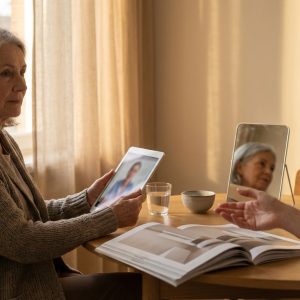
Celebrity Influence shapes how audiences perceive aging, health behaviors, and status-linked lifestyles. In longevity discourse, this influence operates through narrative framing, visual exemplars, and high-salience signals that can shift norms, attention, and resource allocation. Scientific perspectives consider mechanisms such as social learning, parasocial attachment, and network amplification, while medical journalism emphasizes uncertainty, context, and the limits of inference.
Cultural Impact: Mechanisms That Transmit Influence
Several mechanisms plausibly connect celebrity media to population attitudes and behaviors related to aging and health.
- Social learning and modeling: Highly visible exemplars can alter norms by showing routines like sleep, training, or nutrition, even if optimized for image rather than health. See the analysis of performance versus health culture in entertainment.
- Parasocial relationships and identification: Repeated exposure to celebrities can promote perceived intimacy and identification, heightening attention and memory. Neurobiological models reference dopaminergic salience signaling, but direct physiological effects are still being researched.
- Norm diffusion via network centrality: Popular, cross-platform figures can accelerate practices and language, helped by media algorithms. Related context: digital habits and cognitive aging trajectories.
- Framing effects: Editorials and interviews may frame aging as decline or reinvention, shaping ideas of «healthy aging.» See media aging narratives analysis and celebrity culture hub for longevity narratives.
Body Image, Stress Biology, and Longevity Pathways
Celebrity imagery can influence self-comparison and body ideals. Research links appearance-focused media to body dissatisfaction and possible stress responses.
Proposed biological links include increased HPA axis activation (leading to cortisol spikes), chronic psychosocial stress, and sleep-circadian disruptions—especially from late-night content. More at screen exposure and circadian aging effects and circadian rhythm and healthy aging science.
Media depictions can recalibrate attitudes toward weight, cosmetic procedures, and fast “transformations.” Health-longevity reporting distinguishes image-driven stories from evidence-based science. See body image media dynamics, media exaggeration of fitness transformations, and celebrity training myths and realities.
Health Messaging, Public Behavior, and Policy
When celebrities disclose health information or risks, they create short-term spikes in health service interest. Network-level influence can cluster healthier behaviors, but digital platforms can amplify both useful details and misinformation. Effects are often temporary and shaped by context.
Celebrity advocacy can drive focus and funding for certain diseases, but policy choices rely on data, equity, and cost effectiveness. See global longevity policy discourse, public aging discourse in entertainment and celebrity aging reinvention stories.
Information Ecosystems and Amplification Risks
Algorithms elevate content that is emotional or novel. Research shows that misinformation can spread quickly in large networks, blurring lines between new discoveries and proven evidence. For more, see wearables and longevity culture adoption and perception of aging in popular culture.
Evidence Quality: What We Know and What We’re Still Studying
What’s known: Social networks influence behavior clusters, amplification can spread false news, and media frames shift attitudes.
Still under study: The exact ways in which celebrities impact biological aging markers and the lasting effects of their influence. Many studies are observational, not experimental, so results could be shaped by outside factors.
Influence Mapping: Key Mechanisms and Signals
| Influence Mechanism | Proposed Pathway | Longevity-Relevant Signal |
|---|---|---|
| Social Learning & Modeling | Observation of routines and norms via high-visibility exemplars | Shifts in information seeking, screening interest, fitness narratives |
| Parasocial Identification | Perceived intimacy increases attention and motivation | Variable adherence to behaviors; biomarker impact uncertain |
| Algorithmic Amplification | Engagement-optimized platforms elevate content | Faster spread of health narratives, including misinformation |
More context: social stress and aging biology, authenticity and public image dynamics, and an explainer on epigenetic aging markers discourse.
Why this Matters to People
This topic is important because it shows how seeing famous people’s choices, words, and habits can influence the way we think and act every day, even if we don’t notice it. For example, you might want to try a new sport, sleep schedule, or diet if a celebrity talks about it, but sometimes these routines are more about looking good and not always about feeling healthy. Understanding how Celebrity Influence works helps us make better choices for ourselves—like deciding what is truly healthy for us and not just what is popular. When we learn about this, we can enjoy inspiration from celebrities, but also think critically and focus on what really makes us feel well and happy each day.
FAQs about Cultural Influence of Celebrities
How Do Celebrities Affect Public Perceptions Of Aging?
By repeating certain stories and showing examples, celebrity narratives can make some looks or habits seem normal or trendy. Studies find attitude shifts and changes in what people search for, but lasting medical effects are still being studied. For detailed research, see public aging discourse in entertainment.
Is There Biological Evidence That Media Exposure Changes Aging Trajectories?
Theories suggest media may affect stress and sleep, but direct evidence linking celebrity media exposure to biological aging markers isn’t established yet. Ongoing research continues to investigate these possible links. Explore the scientific reporting at social stress and aging biology.
Do Celebrity Health Disclosures Increase Screening Or Testing?
Studies show that after big celebrity health announcements, more people look for information and sometimes get tested or screened, but the effect depends on the topic, message, and health system. See more at global longevity policy discourse.
Can Celebrity Content Spread Health Misinformation?
Yes, social media and algorithms can spread incorrect health advice quickly, so it is important to check credible sources. Research about the spread of true and false news online provides more insight.
Where Can I Explore Related Longevity Culture Topics?
Read further in media aging narratives analysis for greater cultural context and tips on healthy living trends.
Bibliographic References
- Christakis, Nicholas A., and James H. Fowler. 2007. «The Spread of Obesity in a Large Social Network over 32 Years.» New England Journal of Medicine. https://www.nejm.org/doi/full/10.1056/NEJMsa066082.
- Vosoughi, Soroush, Deb Roy, and Sinan Aral. 2018. «The Spread of True and False News Online.» Science. https://www.science.org/doi/10.1126/science.aap9559.