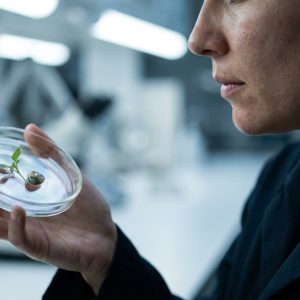
LONGEVITY MYTHS often arise where compelling narratives meet incomplete evidence. This article examines cultural claims through biological mechanisms, research hierarchies, and documented limitations, with careful distinctions between observational associations and experimental findings.
Cultural Narratives Versus Biological Mechanisms
Mechanisms: Aging involves interconnected processes such as cellular senescence and the senescence-associated secretory phenotype (SASP), genomic instability, impaired proteostasis, mitochondrial dysfunction, epigenetic alterations, altered intercellular communication, and dysregulated nutrient sensing. Pathways including mechanistic target of rapamycin (mTOR), AMP-activated protein kinase (AMPK), and insulin/IGF-1 signaling modulate stress responses, autophagy, and metabolic flux. For deeper pathway context, see the mechanistic overview of the mTOR aging pathway, adaptive AMPK signaling and longevity modulation, and insulin and IGF-1 signaling in aging biology. Evidence context: Causal inference in human longevity requires converging evidence across in vitro systems, animal models, and human studies; signals that appear robust in model organisms may attenuate or change direction in humans due to physiology, heterogeneity, and environmental confounding.
Myth: A Single Superfood or Supplement Can Extend Lifespan
Claim: One compound produces large, generalizable lifespan gains. Mechanism lens: Bioactives may influence nutrient-sensing networks, mitochondrial biogenesis, or redox homeostasis. Yet, pleiotropic effects, dose-response variability, and context-dependent metabolism complicate translation. Evidence: Research indicates that compound-specific benefits often emerge in yeast, worms, or mice with controlled diets and genotypes; human evidence is mixed and typically focuses on intermediate biomarkers. For epigenetic and biomarker interpretation, see DNA methylation aging research, epigenetic aging markers and clocks, and measuring biological age across systems. Limitations: Human studies frequently face adherence challenges, co-interventions, and dietary complexity. Observational findings can reflect lifestyle patterns rather than isolated ingredient effects.
Myth: Extreme Exercise Guarantees Longevity
Claim: More intensity always yields longer life. Mechanism lens: Physical activity can enhance mitochondrial dynamics, vascular function, neuromuscular integrity, and neurotrophic signaling. Evidence: Studies suggest dose and modality matter; benefits may plateau beyond certain thresholds, and high, unperiodized loads can increase injury and stress burden. Explore exercise intensity and longevity outcomes, overtraining and aging risk profile, exercise-induced mitochondrial adaptations in aging, and exercise-driven neuroprotection mechanisms. Limitations: Observational cohorts may reflect healthy volunteer bias, differential medical screening, and socioeconomic confounding.
Myth: Epigenetic Age Can Be Reversed Quickly And Permanently
Claim: Short-term interventions permanently reset biological age. Mechanism lens: DNA methylation clocks and chromatin remodeling reflect population-level correlations with morbidity and mortality risk; causality and tissue specificity remain under investigation. Evidence: Human trials on epigenetic age are limited, often short in duration, and focus on surrogate markers rather than hard clinical endpoints. See epigenetic aging markers and clocks, DNA methylation aging research, and the limits of claimed epigenetic reversal. Limitations: Different clocks capture different biological constructs; intra-individual variability and measurement error complicate interpretation.
Myth: Gene Editing And Cellular Reprogramming Will Soon Make Aging Optional
Claim: Imminent, widespread rejuvenation through editing or reprogramming. Mechanism lens: Partial reprogramming targets epigenetic remodeling; gene silencing/editing aims to modulate damaging pathways. Evidence: Most data are preclinical, with safety, delivery, off-target effects, and tumorigenic risk under active investigation. Contextual resources include gene silencing strategies in longevity research, RNA interference aging models, ethical limits of gene silencing in aging, and cellular rejuvenation and age reversal news context. Limitations: Translational timelines are uncertain; human durability, safety margins, and population-level accessibility remain unresolved.
Myth: Longevity Is Mostly Genetics
Claim: DNA predetermines lifespan almost entirely. Mechanism lens: Heritability of lifespan appears modest and context-dependent; environment, exposures, infections, and social determinants contribute substantially. Evidence: Studies indicate air quality, climate stressors, and infection burden influence aging trajectories. See air pollution and aging impact evidence, heat exposure and aging physiology, chronic infections and immunosenescence, immune stress and aging interactions, and urban versus rural longevity gradients. Limitations: Gene-environment interplay, migration patterns, and cohort effects complicate attribution of causality.
Myth: Brain Aging Is Inevitable And Unmodifiable
Claim: Cognitive decline is a fixed trajectory. Mechanism lens: Neuroplasticity, synaptic remodeling, microvascular integrity, and neuroinflammation can change over time; microglial activation and proteostatic stress shape vulnerability. Evidence: Research indicates certain behaviors and environmental factors correlate with preserved function; experimental modalities like stimulation and regenerative strategies are under active study. See neuroinflammation and aging link, neuropeptides and aging signaling, brain tissue regeneration reports, and Alzheimer’s brain stimulation developments. Limitations: Many findings derive from animal or small human studies; long-term cognitive outcomes are not yet established.
Myth: More Data From Wearables Automatically Improves Healthspan
Claim: Continuous metrics guarantee better aging outcomes. Mechanism lens: Monitoring can illuminate sleep, circadian patterns, and activity; however, behavior change, algorithmic thresholds, and data quality determine utility. Evidence: Studies suggest that feedback loops work variably across individuals; residual confounding and digital divide issues affect outcomes. Explore wearables and longevity culture critique, biological markers of aging interpretation, and systems biology approaches to aging. Limitations: Device-derived biomarkers are proxies; calibration drift, context loss, and adherence gaps limit inference.
Myth: Cold And Heat Hacks Dramatically Slow Aging
Claim: Short exposures cause large, sustained lifespan effects. Mechanism lens: Cold may influence catecholamines and brown adipose tissue; heat can induce heat shock proteins and vascular remodeling. Evidence: Human data on long-term aging outcomes are limited; risks depend on comorbidities and exposure extremes. See cold exposure and aging research landscape, heat exposure and aging physiology, and climate variability and aging stressors. Limitations: Heterogeneous protocols, short follow-up, and survivor bias are common.
Cultural Forces That Amplify Longevity Myths
Media frames and celebrity storytelling can compress complex science into definitive-sounding claims, emphasizing novelty and transformation. For media analysis and public discourse, see media narratives of aging representation, public perception of aging and risk, celebrity training myths and realities, media exaggeration of fitness transformations, and longevity narratives in celebrity culture. Cultural optimism can be valuable but risks overstating certainty and underreporting limitations.
How Scientists Evaluate Longevity Claims
Hierarchy of evidence: Cell systems can uncover mechanisms; animal models test organismal effects; human studies assess safety, biomarkers, function, and clinical outcomes. Each tier offers complementary but incomplete insights. See experimental aging models overview, high-risk aging research governance, regenerative medicine and organ repair news, and global longevity policy context. Researchers also consider environmental and infectious modifiers such as viral impacts on aging pathways and stress recovery and aging adaptation, alongside resilience frameworks such as biological resilience and stress recovery.
| Evidence Tier | Typical Model | Summary |
|---|---|---|
| Cellular | Primary cells, organoids | Shows mechanisms and targets but misses whole-organism context |
| Animal | Invertebrates, rodents | Offers organismal effects, but differences from humans are significant |
| Human | Observational, random trials | Evaluates safety, biomarkers, and some outcomes, but complexity is higher |
Why this Matters to People
This overview shows that a lot of bold statements about living longer aren’t always backed by strong science—some are just popular stories or guesses. By understanding Longevity Myths, even a 12-year-old can see that no single food, exercise, or gadget will magically help us live forever. Instead, it’s about healthy habits, balanced routines, and knowing not everything you see online or in the news is totally true. This helps kids and adults make smarter choices for feeling good and staying healthy each day. For example, instead of trying every new supplement, you can focus on good sleep, moving your body, and being curious about science. That way, you can enjoy life more, worry less about tricks that don’t work, and help friends and family do the same!
FAQs about Common Longevity Myths
Are there proven ways to extend maximum human lifespan?
Right now, most science only shows how to help people stay healthier for longer (healthspan), not necessarily live to much older ages. Studies are ongoing, but no breakthrough yet. For updates, see this mTOR aging pathway research summary.
Do “Blue Zones” prove specific diets cause longevity?
Blue Zones show where people live long, but many factors like culture, environment, and habits are involved. No single diet is proven to make people live longer everywhere. Read more in this public perception of aging analysis.
Can biological age tests diagnose disease risk?
These tests can hint at health risk for groups, but aren’t perfect for predicting one person’s future. Their clinical value is still being studied. See detailed findings at epigenetic aging markers and clocks research.
Is it safe to try reprogramming or gene editing for longevity?
No, these approaches are experimental, and scientists are still checking their safety and effectiveness. Only participate in controlled clinical trials if at all. Read about gene editing and reprogramming developments.
Do cold plunges or saunas extend lifespan?
There’s little evidence these have a big effect on how long people live. Benefits are usually about feeling refreshed soon after, not about living many more years. Explore the cold exposure and aging research landscape.
Bibliographic References
López-Otín, Carlos, Maria A. Blasco, Linda Partridge, Manuel Serrano, and Guido Kroemer. 2013. «The Hallmarks of Aging.» Cell.
Horvath, Steve. 2013. «DNA Methylation Age of Human Tissues and Cell Types.» Genome Biology.
Takahashi, Kazutoshi, and Shinya Yamanaka. 2006. «Induction of Pluripotent Stem Cells from Mouse Embryonic and Adult Fibroblast Cultures by Defined Factors.» Cell.