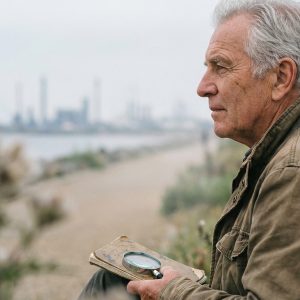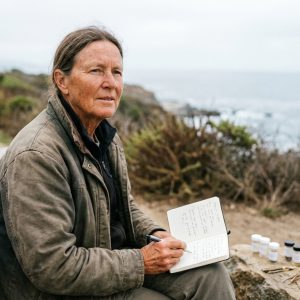
Climate aging examines how fluctuations in temperature, humidity, precipitation, and extreme events intersect with biological aging processes. Scientific reporting increasingly treats climate variability as a multi-system stressor that may influence resilience, disease expression, and lifespan trajectories, while emphasizing uncertainty and the need for rigorous longitudinal evidence.
Systems View: Climate Variability as a Multi-Stressor on Aging Biology
Climate variability encompasses short- and long-term departures from average conditions, including heat waves, cold snaps, humidity shifts, storms, and smoke episodes. In a systems perspective, these exposures interact with thermoregulation, cardiovascular and renal load, neuroendocrine signaling, immune activity, and behavioral patterns. This network-level view aligns with the environmental determinants of longevity, integrating meteorological drivers with infrastructure, housing, and social connectivity. Across the life course, older adults may experience narrower thermal tolerance, reduced sweat response, altered vasomotor control, and slower recovery kinetics, which can amplify the biological imprint of variability rather than mean climate alone. Interactions with urban form and energy systems – such as the urban heat island – further contextualize risk and adaptation potential; see analyses of built environment and longevity patterns and urban versus rural longevity disparities.
Mechanisms Under Investigation
Thermoregulation and Proteostasis
Heat stress can challenge proteostasis via protein unfolding, with heat shock proteins (for example, HSP70 family) acting as cytoprotective chaperones; aging tissues often show reduced stress-induced chaperone capacity. Rapid temperature transitions may perturb membrane fluidity, mitochondrial respiratory balance, and reactive oxygen species handling. Cold exposure induces vasoconstriction, elevates afterload, and can influence platelet activation and viscosity. For age-sensitive thermophysiology, see related reporting on heat exposure impacts on aging physiology and cold exposure challenges in older adults.
Cardiovascular and Renal Load
Temperature variability can modulate heart rate, blood pressure, and endothelial function through autonomic and hemodynamic pathways. Dehydration during heat episodes affects renal perfusion and electrolyte balance, while cold-induced sympathetic activation increases vascular resistance. These physiologic shifts may unmask subclinical disease in older adults with reduced homeostatic reserve.
Neurocognitive and Circadian Perturbations
Nocturnal heat, sudden temperature swings, and smoke events can fragment sleep, disrupt circadian phase relationships, and alter melatonin and cortisol rhythms. Circadian misalignment may influence metabolic and cognitive domains relevant to aging phenotypes; see discussion of circadian rhythm disruption and aging and sleep-linked outcomes in sleep patterns and longevity evidence.
Immune Activation, Infections, and Inflammaging
Heat, cold, and aeroallergens may prime innate immune pathways, affecting cytokine signaling (for example, IL-6, TNF) and oxidative stress. Floods and displacement can shift exposure to pathogens, while vector ranges may change with climate variability. These processes overlap with immunosenescence and chronic low-grade inflammation; see coverage of immune stress and inflammaging mechanisms, chronic infections across the lifespan, and emerging respiratory threats under viral aging interactions.
Exposure Synergy: Pollution, Humidity, and Smoke
Particulate matter and ozone can potentiate heat-related physiologic stress by impairing pulmonary and vascular function. Humidity modifies evaporative cooling and can magnify heat strain at given temperatures. Wildfire smoke episodes add acute oxidative and inflammatory loads. For co-exposure perspectives, see air pollution and aging interactions.
| Climate Variability Exposure | Primary Physiological Systems | Candidate Mechanisms |
|---|---|---|
| Heat waves; high night-time temperatures | Thermoregulatory; cardiovascular; renal | Proteostasis stress; dehydration; endothelial dysfunction |
| Cold snaps; rapid cooling | Vascular; hematologic; autonomic | Vasoconstriction; viscosity changes; sympathetic activation |
| Humidity fluctuations | Thermal balance; respiratory | Impaired evaporative cooling; airway irritation |
| Wildfire smoke; dust storms | Pulmonary; immune | Oxidative stress; cytokine activation |
Human Evidence: What Epidemiology Suggests
Population studies suggest that older adults experience higher morbidity and mortality during temperature extremes and within-season variability, with regional heterogeneity linked to housing quality, access to cooling, and urban form. Time-series and case-crossover analyses indicate short-lag associations between heat or cold and cardiorespiratory outcomes; longer-lag effects and cumulative impacts remain under investigation. Night-time heat, heat-humidity combinations, and smoke co-exposures frequently show stronger signals than daytime temperature alone. Observational designs cannot establish acceleration of biological aging per se, but they highlight vulnerability windows consistent with reduced physiologic reserve. For context on structural determinants and health systems, see global longevity policy and climate adaptation.
Experimental and Modeling Insights
Animal studies indicate age-related differences in heat shock protein induction, mitochondrial respiration under thermal stress, and endothelial reactivity. Cellular models demonstrate temperature-sensitive proteostasis and membrane dynamics that could plausibly intersect with senescence pathways; see related discussion of cellular senescence pathways in aging. Controlled human exposure studies in climate chambers provide insights into sweat thresholds, cardiovascular drift, and fluid-electrolyte balance, yet generalizability to free-living, multi-exposure conditions is limited. Trend analysis approaches increasingly combine satellite-based land surface temperature, air quality monitoring, and health records to quantify exposure-response relationships while accounting for adaptation trends.
Heterogeneity, Mediation, and Equity
Risk is shaped by comorbidities, functional status, housing, energy affordability, and access to cooling or heating. Social isolation and displacement can magnify exposure and impede recovery; see community perspectives in community networks that support longevity and risks linked to social isolation risks for older populations. Climate-driven movement may alter risk profiles across regions and seasons; see reporting on climate-related migration and aging outcomes and broader environmental change and late-life health.
Biomarkers and Measurement for Mechanistic Clarity
Linking climate variability to aging biology will likely require multi-omic and physiologic phenotyping. Investigators are exploring epigenetic clocks, proteomic stress signatures, and inflammatory composites to capture exposure-linked shifts. For background on toolkits and constraints, see biological aging markers for exposure research, frameworks for measuring biological age with multi-omic tools, and exposure epigenetics via epigenetic aging markers in climate studies and DNA methylation aging signatures.
Contextual Interactions and Recovery Dynamics
Because exposures cluster, researchers assess post-exposure recovery kinetics and cumulative stress (allostatic load). Routine stability and sleep regularity can moderate physiologic strain; see coverage on routine stability and aging physiology and stress recovery and aging trajectories. Conceptually, resilience emerges from interacting biological and social systems; background synthesis is available in the systems biology of aging under environmental stressors and analyses of biological resilience and adaptive capacity.
Why this Matters to People
This overview helps us all understand how weather changes – like heat waves, cold snaps, and even wildfires – can affect not just older people but all of us as we get older. It’s like seeing how getting really hot or cold can make us sweat or shiver, but older bodies may struggle more to handle these changes. If we learn about these effects, we can take simple steps, like staying cool on hot days and warm during cold spells, or checking on our grandparents. These actions keep everyone healthier and happier. It shows that changes in climate are not just about outside weather, but also about how our homes, our communities, and our daily habits can help us stay strong as we age.
Climate variability means the weather can change more than usual, sometimes very quickly. This matters because it can make it harder for people – especially older adults – to keep their bodies working well. By understanding this, families and communities can prepare for things like extra-hot or super-cold days. If we help protect older people from weather extremes, like having cool spots during heat waves or making sure homes stay warm in the winter, everyone gets a better chance to live a long, healthy life.
Bibliographic References
- World Health Organization. «Climate Change and Health.» Read more.
- The Lancet Countdown. «The Lancet Countdown on Health and Climate Change.» Read more.
- Intergovernmental Panel on Climate Change. «Sixth Assessment Report, Working Group II: Impacts, Adaptation and Vulnerability.» Read more.
- Centers for Disease Control and Prevention. «Heat and Older Adults.» Read more.
FAQs about Climate Variability and Aging
What is climate variability and how might it relate to aging?
Climate variability means the weather changes more than usual, sometimes with unexpected swings. This can stress older adults’ bodies, making it harder for them to maintain stable health. Learn more about these challenges in the environmental determinants of longevity and aging.
Does epidemiology prove that climate variability accelerates biological aging?
No. Epidemiology shows links between climate swings and worse health in older people, but to prove it speeds up aging we’d need careful long-term studies with special biomarkers. Get detailed info from the global longevity policy and climate adaptation research.
Which systems in older adults appear most sensitive to temperature swings?
Systems most affected are thermoregulation, heart and blood vessels, kidneys, breathing, and sleep-wake cycles. Temperature shifts can cause stress, dehydration, and inflammation. Explore further with heat exposure impacts on aging physiology.
How do pollution and smoke interact with heat or cold in relation to aging?
Things like air pollution or wildfire smoke make temperature stress even worse, increasing the risk for lung and heart problems. See more in air pollution and aging interactions.
Where can I learn about structural and policy contexts that influence risk?
To understand how homes, neighborhoods, and laws affect how we cope with climate swings, check out analyses on built environment and longevity patterns and global longevity policy and climate adaptation.