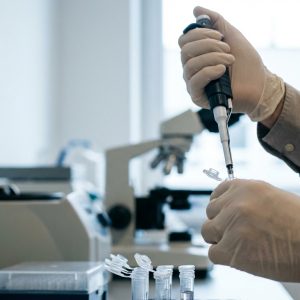
Regenerative medicine is the field that repairs, replaces, or regenerates tissues and organs using cell therapies, engineered scaffolds, gene-enabled methods, and supportive devices; it matters because it can restore function, reduce dependence on donor transplants, and lower disability and healthcare costs; it affects older adults, people with organ failure or chronic disease, caregivers, and healthcare systems seeking to extend healthy, independent years of life.
How regenerative medicine actually works in organs
In practical terms, organ-focused regenerative medicine sits at the crossroads of stem cell biology, materials science, and clinical surgery. For example, hematopoietic stem cell transplants have been used for decades to rebuild blood and immune systems after high-dose chemotherapy, demonstrating that stem and progenitor cells can reconstitute an entire tissue compartment (National Cancer Institute). In the heart, early-phase trials using cell-based and biomaterial approaches after myocardial infarction show modest improvements in function for selected patients, but results are variable and mechanisms may involve paracrine signaling—cells releasing factors that support remaining tissue—rather than wholesale regrowth of muscle (Circulation Research). Similar principles underpin emerging work in liver, kidney, and cartilage, where supportive scaffolds and carefully controlled microenvironments aim to stabilize damaged organs long enough for endogenous repair programs to engage.
This mechanistic focus on cell behavior and tissue context overlaps with broader longevity research on how cellular aging limits repair. Work on senescent cells and inflammatory signaling, for instance, connects regenerative capacity with the biology covered in our analyses of the links between cellular senescence and aging and the relationship between chronic inflammation and aging. In organs with heavy metabolic and mechanical load—such as heart, kidney, and joints—these aging pathways may help explain why regenerative interventions can be less effective in older or comorbid patients, even when the experimental therapy is identical.
Scaffolds, signals, and the microenvironment
Beyond cells themselves, the “soil” in which they reside is central for organ repair. The extracellular matrix (ECM)—a meshwork of proteins such as collagen, elastin, and glycosaminoglycans—provides both physical structure and biochemical cues. Decellularized organ scaffolds, where native cells are removed but ECM architecture is preserved, have been used experimentally to engineer heart, lung, and liver constructs that can be reseeded with patient-derived cells (Nature Biotechnology). Parallel work in synthetic biomaterials has produced hydrogels and polymer scaffolds whose stiffness, porosity, and degradation rates can be tuned to influence how cells differentiate and organize (Science).
Signaling molecules, particularly growth factors and cytokines, add another layer of control. Controlled-release systems are being tested to deliver pro-regenerative factors locally—such as vascular endothelial growth factor (VEGF) to spur blood vessel growth or bone morphogenetic proteins (BMPs) to promote bone repair—while limiting systemic exposure that can drive side effects (National Institutes of Health PubMed Central). These approaches intersect with gene- and RNA-based modulation of repair pathways, which we examine from a longevity perspective in discussions of gene expression changes with aging and experimental RNA-based longevity research. Together, they point toward organ therapies that are less about a single “magic” cell type and more about engineering a regenerative microenvironment.
Age, comorbidities, and realistic expectations
Clinical data across organ systems now make it clear that the same regenerative protocol behaves differently in a frail 78‑year‑old with diabetes than in a relatively healthy 55‑year‑old. Studies in skeletal muscle and skin wound healing, for example, show that older adults typically have slower cell proliferation, altered immune responses, and reduced angiogenesis, all of which blunt the impact of regenerative interventions (NIH PubMed Central). Chronic conditions such as diabetes, chronic kidney disease, and cardiovascular disease further impair microvascular health and heighten baseline inflammation, limiting how well implanted cells or scaffolds integrate.
These constraints have direct implications for longevity narratives built around organ repair. A therapy that modestly improves heart function or joint mobility might still translate into meaningful gains in independence and reduced disability, even if it does not restore an organ to a youthful state. Evidence from cardiac and orthopedic trials suggests that relatively small functional improvements can reduce hospitalizations and extend the period of life lived without severe functional limitation (New England Journal of Medicine). That framing—healthspan rather than dramatic reversal—aligns more closely with regenerative medicine’s current trajectory than common media portrayals.
Regenerative medicine, brain health, and cognitive aging
Brain tissue has long been considered among the least regenerative, yet a growing body of work in neural stem cells, biomaterials, and neuromodulation suggests a more nuanced picture. Experimental approaches for stroke and traumatic brain injury combine transplanted neural progenitor cells with scaffolds that bridge cavities and encourage host axons to grow, though most of these remain in early-phase trials with small cohorts (National Institute of Neurological Disorders and Stroke). For neurodegenerative disease, some teams are exploring ways to replace specific cell types—such as dopaminergic neurons in Parkinson’s disease—while others focus on modulating local inflammation and synaptic activity to stabilize function.
Our coverage of experimental brain tissue regeneration and brain stimulation approaches in Alzheimer’s disease tracks this shift from passive support to active repair and circuit-level modulation. Yet the evidence base is still uneven: while some trials show signal-level improvements in memory or function, long-term outcomes and generalizability to older, multimorbid populations remain uncertain (Alzheimers.gov). This makes neuro-regeneration a frontier where expectations need to be especially measured, and where high-quality trial design and independent replication are crucial.
Ethics, access, and the global policy landscape
As organ-focused regenerative therapies move from the lab toward clinics, ethical and policy questions become less abstract. Issues include how to prioritize access when manufacturing capacity is limited, how to handle long-term monitoring of recipients when risks may emerge years later, and how to regulate cross-border “medical tourism” for unproven stem cell interventions (World Health Organization). Some countries are experimenting with conditional or adaptive approval pathways that allow earlier patient access in exchange for strict post-market data collection—a trade-off that can speed innovation but also shifts more uncertainty onto patients and clinicians (U.S. Food and Drug Administration).
These debates intersect with broader longevity policy questions around who benefits first from high-cost interventions and how aging societies organize budgets for prevention versus advanced therapies. Our reporting on emerging global longevity policy and on high-risk experimental domains such as high-risk aging research highlights how governance choices can accelerate or constrain regenerative medicine’s impact on real-world healthspan. For readers, tracking this policy dimension is not just abstract civics; it shapes which organ repair options will exist in public health systems versus remaining niche, out-of-pocket procedures.
Personal context: lifestyle, aging biology, and when to consider trials
From an individual standpoint, regenerative therapies for organ repair do not sit apart from the rest of aging biology—they interact with it. Evidence from orthopedic surgery and cardiac rehabilitation, for instance, shows that patients who enter procedures with better cardiorespiratory fitness, glycemic control, and nutritional status tend to experience better healing and functional outcomes (American College of Cardiology). Similar principles are emerging in regenerative trials, where prehabilitation and post-intervention exercise, sleep, and stress management can modulate inflammation and repair capacity.
These themes align with our broader reporting on immune stress and aging and on how sleep patterns influence longevity. For people considering participation in organ-focused regenerative trials, this means that “background” health habits are not secondary; they can be part of the experimental signal. At the same time, prospective participants should expect detailed informed consent processes, realistic discussion of uncertainty, and clear separation between regulated trials and commercial clinics selling unproven organ or stem cell procedures.
Where organ repair research is heading
Looking across cardiovascular, hepatic, renal, musculoskeletal, and neural applications, a few trajectories stand out. First, combination approaches that integrate cells, scaffolds, and molecular or electrical cues are gaining ground as researchers accept that complex organs rarely respond to single-modality interventions (Cell Stem Cell). Second, there is growing interest in “organ-support” devices and temporary biological constructs that keep organs functional long enough for endogenous repair or transplanted cells to take hold, blurring the boundary between classic mechanical support and regeneration.
Third, organ repair is increasingly linked to systemic rejuvenation strategies—work on cellular reprogramming and age reversal covered in our analysis of cellular rejuvenation research and in our piece on regenerative medicine and organ repair. Early experiments in partial reprogramming and systemic factor modulation hint that, in the long term, organ-specific interventions may be combined with whole-body approaches that shift the underlying biological age of tissues (Nature). How far that vision will translate into safe, durable therapies is unknown, and progress is likely to be incremental. For now, organ repair in regenerative medicine is best understood as a careful expansion of what clinical medicine can do for damaged tissues, not a shortcut to radical life extension.