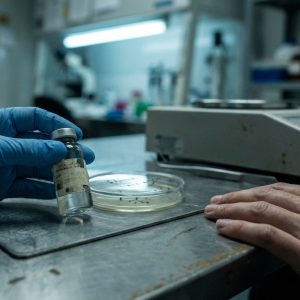
cellular rejuvenation refers to scientific approaches that reduce, repair, or reverse age-related cellular damage and dysfunction; it matters because restoring youthful cellular function could improve tissue repair, extend healthspan, and lower the burden of chronic disease; it affects older adults, people with age-related conditions, clinicians, researchers, and policymakers weighing safety, equity, and regulatory implications.
In practice, cellular rejuvenation sits at the intersection of basic biogerontology and translational medicine. Much of the current work still happens in controlled systems—human cells in culture, short‑lived organisms such as worms and flies, and mammalian models—where researchers can track how DNA damage, mitochondrial efficiency, or proteostasis shift as cells are pushed toward a more youthful profile. Reviews of senescence biology and the senescence‑associated secretory phenotype, for example, outline how age‑related damage drives a pro‑inflammatory state that disrupts tissue repair and resilience across organ systems (Geroscience review; Nature Medicine review), while parallel work on proteostasis and autophagy in model organisms maps how declining protein quality control links to neurodegeneration and systemic frailty (Autophagy review; Drosophila proteostasis review).
How researchers define and measure “younger” cells
When scientists say a cell looks “younger,” they rarely mean it in a vague sense. Instead, they compare measurable features—epigenetic marks, gene expression patterns, mitochondrial output, or stress responses—against reference datasets that track how these parameters change with chronological age. Epigenetic clocks, which quantify age‑linked DNA methylation patterns, are a central tool in this space and underpin many biological aging marker discussions. Partial reprogramming studies in human fibroblasts, for instance, show that transient expression of Yamanaka factors or specific small‑molecule cocktails can reduce epigenetic age and shift transcription toward youthful profiles without fully erasing cell identity (Nature Aging study; eLife MPTR study; eLife chemical reprogramming study). At the same time, these molecular shifts do not automatically translate into improved function in a whole organ or organism, which is why many experts stress the gap between cellular metrics and true biological resilience.
The mechanisms targeted by these interventions map closely onto the established “hallmarks of aging,” including genomic instability, epigenetic alterations, loss of proteostasis, mitochondrial dysfunction, stem cell exhaustion, and altered intercellular communication. Large reviews of autophagy and proteostasis in aging organisms highlight how enhancing cellular cleanup pathways can modulate lifespan and reduce neurotoxicity in worms, flies, and mammals (C. elegans autophagy review; Drosophila proteostasis review). In immune cells, disturbances in proteostasis with age have been linked to impaired T‑cell activation and heightened inflammatory signaling, reinforcing the idea that rejuvenation will require coordinated repair of several cellular systems rather than a single “switch” (T‑cell proteostasis review).
Where cellular rejuvenation overlaps—and conflicts—with “age reversal” narratives
Public discussion often collapses cellular rejuvenation into sweeping claims about reversing aging. In the lab, however, most interventions act on specific pathways or cell populations. Genetic ablation or pharmacologic clearance of senescent cells—the so‑called senolytic strategies—can improve physical function and delay multiple age‑associated pathologies in mice, and first‑in‑human pilot trials suggest possible improvements in conditions such as pulmonary fibrosis and diabetic kidney disease (senolytics review). Yet those same reviews underscore that senescence can also have beneficial roles in wound healing and tumor suppression, meaning that aggressive removal of senescent cells may carry trade‑offs (Nature Medicine review). These nuances are often absent from headlines or celebrity‑driven longevity narratives, where complex mouse data are sometimes reframed as imminent therapies for humans.
Partial epigenetic reprogramming is a similar flashpoint. Experiments using cyclical expression of reprogramming factors in progeroid mice reduced molecular signs of aging and, in some settings, extended lifespan, while work on optic nerve injury showed improved regeneration and vision in mice after reprogramming factor delivery to retinal ganglion cells (partial reprogramming study; Nature optic nerve study). A high‑profile eLife paper reported that a transient, maturation‑phase reprogramming protocol could shift human fibroblast epigenetic and transcriptional age by roughly three decades in vitro (eLife MPTR study). Reviews now frame these approaches explicitly as “epigenetic rejuvenation,” while also stressing unresolved questions about durability, cancer risk, and control of intermediate states (partial reprogramming review). These unresolved points are central if such interventions ever move from highly selected tissues, like the eye, to systemic use.
Mechanisms under active investigation
Several mechanistic arenas are now recurring targets in human‑relevant aging research as well as in more speculative experimental aging models. One is cellular senescence and its inflammatory secretory profile (SASP). Reviews of senescence biology show that senescent cells accumulate with age in many tissues and secrete cytokines, proteases, and growth factors that can drive chronic inflammation and tissue dysfunction; genetically removing these cells in mice extends both healthspan and lifespan in multiple studies (Geroscience review; senescence therapeutic review). Another focus is mitochondrial bioenergetics, where work across model organisms links preserved oxidative phosphorylation and mitophagy to extended lifespan and delay of age‑related decline (mitochondrial aging review). Partial chemical reprogramming experiments reinforce this connection, showing that specific small‑molecule cocktails can increase mitochondrial spare respiratory capacity and shift transcriptomes toward youthful, oxidative states in mouse fibroblasts (eLife chemical reprogramming study).
Proteostasis and autophagy form a third pillar. Reviews in worms, flies, and mammalian immune cells describe how reduced chaperone activity, proteasome function, and autophagic flux contribute to aggregate‑prone proteins, impaired stress responses, and “inflammaging” (Autophagy review; Drosophila proteostasis review; T‑cell proteostasis review). Interventions that restore aspects of proteostasis—through enhanced autophagy, heat‑shock factor activation, or targeted degradation—can extend lifespan and reduce neurodegenerative phenotypes in animals, which is why this axis features prominently in discussions of brain repair and brain tissue regeneration. None of these approaches, however, erase the broader environmental and social drivers of aging—chronic infections, pollution exposure, or stress—that are increasingly documented in epidemiologic and mechanistic work (infection and aging review; air pollution and aging review; psychological stress and aging review), themes explored in more depth in our environment and longevity coverage.
Translational questions: from petri dish to clinic
The practical question for clinicians and regulators is which of these mechanisms can be modulated in humans with a favorable risk–benefit profile. Senolytic candidates such as dasatinib plus quercetin and navitoclax have entered small, early‑phase trials for conditions like idiopathic pulmonary fibrosis and diabetic kidney disease. Initial reports hint at improved physical function or biomarker shifts, but sample sizes are small, follow‑up is short, and adverse effects—such as thrombocytopenia with navitoclax—highlight the narrow margin for error (pulmonary fibrosis pilot; diabetic kidney disease pilot). Reviews emphasize that senolytics will likely require careful timing, dosing, and patient selection, and may end up being used intermittently rather than chronically (senescence therapeutic review).
Reprogramming‑based strategies are even earlier in translation. Following preclinical work that restored some visual function in mouse and non‑human primate models of optic neuropathy via reprogramming factor delivery, one company has announced plans for first‑in‑human trials in optic nerve stroke, pending regulatory review (Nature optic nerve study; Washington Post report). Here the tissue is highly localized and accessible, which may reduce systemic risk, but long‑term surveillance for oncogenic events or unexpected tissue remodeling will still be needed. These are precisely the kinds of questions that appear in regulatory and ethics discussions about regenerative organ repair and more speculative whole‑body rejuvenation.
Evaluating claims and setting expectations
Against this backdrop, evaluating any claim about cellular rejuvenation means working backward from the endpoint. If an intervention purports to “reverse aging,” does it show changes in validated biological aging markers, such as DNA methylation clocks or multi‑omic signatures, and do those changes associate with clinically relevant outcomes in humans (epigenetic clock validation study; multi‑system aging measure study)? Or is the evidence limited to short‑term shifts in single biomarkers in cell culture? Reviews of senolytics, reprogramming, and metabolic modulators consistently recommend multi‑layer readouts—molecular, functional, and organismal—before drawing any strong conclusions about healthspan (senescence therapeutic review; partial reprogramming review), and similar caution runs through guidance on limits of epigenetic reversal.
For individuals watching this field, none of the established lifestyle levers—exercise, sleep regularity, nutrition, tobacco avoidance, careful management of blood pressure and glucose—target a single cellular aging pathway in isolation. Instead, they modulate several hallmarks at once, including mitochondrial function, inflammatory tone, and insulin signaling, in ways that are increasingly characterized in human cohorts and randomized trials (exercise and mitochondrial aging review; sleep and biological aging review; dietary patterns and epigenetic aging). These interventions are far from glamorous, but they remain the most evidence‑supported tools for slowing biological aging today—and they frame the baseline against which any future cellular rejuvenation therapy will need to be judged, both clinically and in broader longevity policy debates.